Mobile Physio Sydney: The Ultimate Guide to In-Home Physiotherapy
Learn more about mobile physio Sydney and how it applies to your specific needs.
Living in a bustling city like Sydney offers countless conveniences, but when you’re dealing with an injury, chronic pain, or post-surgical recovery, getting to a clinic can feel like a monumental task. That’s where the transformative service of a comes into play. This modern approach to healthcare delivers professional physiotherapy directly to your doorstep, whether you’re at home, in the office, or even at a local park. In this comprehensive guide, we’ll explore everything you need to know about mobile physiotherapy in Sydney, from how it works and its benefits, to what to expect during a session and how to choose the right practitioner for your needs.
What is Mobile Physiotherapy and How Does It Work?
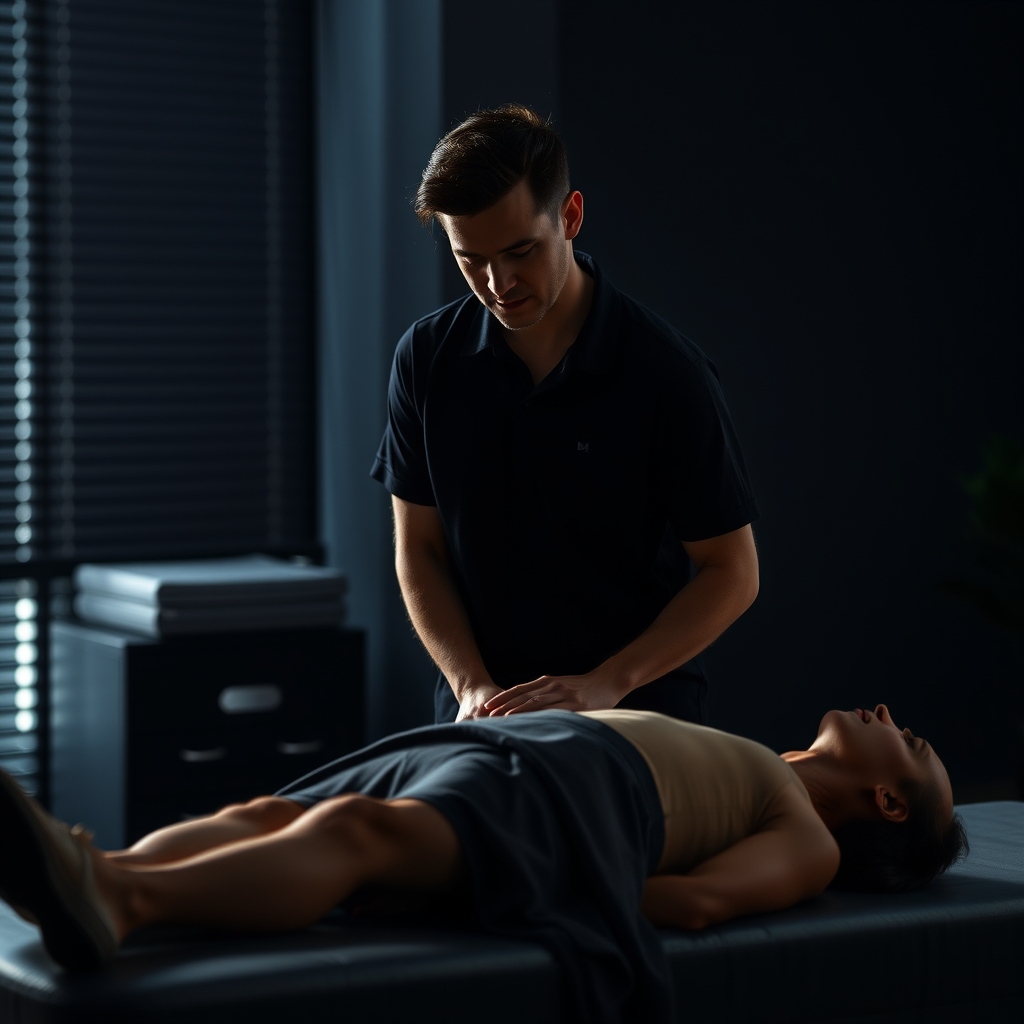
Mobile physiotherapy, also known as home visit physiotherapy, is a specialized service where a qualified physiotherapist travels to your chosen location to provide assessment, treatment, and rehabilitation. Instead of navigating traffic, finding parking, and sitting in a waiting room, you simply book an appointment at a time that suits you, and the physio comes to you. The process is remarkably straightforward. After you make an inquiry, the clinic typically matches you with a therapist who has experience relevant to your condition. You’ll have an initial phone consultation to discuss your history and goals. Then, the physiotherapist arrives at your designated address with a fully equipped portable kit, including treatment tables, massage tools, resistance bands, and other necessary equipment. The session mirrors what you would receive in a clinic, but with the added benefit of being in an environment where you feel most comfortable.
Why Choose a Mobile Physio in Sydney? Top Benefits
The demand for services has skyrocketed in recent years, and for good reason. The benefits extend far beyond mere convenience. Here are some of the most compelling reasons to consider this service:
1. Unmatched Convenience and Time-Saving
Sydney’s traffic can be notoriously unpredictable. A typical round trip to a clinic can consume up to two hours of your day, not to mention the time spent in the waiting room. With a mobile physio, that time is completely eliminated. Your therapist comes to you, allowing you to fit your appointment seamlessly into your daily routine. This is particularly valuable for busy professionals, new parents, and anyone with a packed schedule.
2. Personalized Care in a Familiar Environment
Your home is your sanctuary, and receiving treatment there can significantly enhance your comfort and relaxation. This is especially true for individuals who feel anxious in clinical settings or who have mobility challenges. A mobile physio can also assess your home environment to identify potential hazards or ergonomic issues that might be contributing to your condition. For example, they can analyze your desk setup, sleeping posture, or the way you lift objects in your kitchen, providing tailored advice that a clinic-based physio simply cannot offer.
3. Ideal for Post-Surgical and Elderly Patients
After surgery or for elderly individuals, leaving the house can be physically demanding and sometimes even risky. are a godsend for these populations. They allow for continuity of care without the stress of travel. The physiotherapist can guide you through safe exercises in your own home, ensuring you’re progressing correctly while minimizing the risk of falls or complications. This proactive approach can speed up recovery and reduce the likelihood of hospital readmission.
4. Consistent Treatment and Better Outcomes
Because mobile physiotherapy eliminates the logistical barriers to attending appointments, patients are far more likely to adhere to their treatment plans. Consistency is key in physiotherapy, and regular sessions lead to better, faster outcomes. Additionally, the one-on-one attention you receive is undivided—you have the therapist’s full focus for the entire session, which is often not the case in busy clinics where practitioners may juggle multiple patients.
Who Can Benefit from Mobile Physio in Sydney?
Mobile physiotherapy is incredibly versatile and can benefit a wide range of individuals. If you’re wondering whether this service is right for you, consider the following groups who commonly utilize it:
- Office Workers: Suffering from neck, back, or shoulder pain due to prolonged sitting? A mobile physio can visit your workplace and provide ergonomic assessments and targeted exercises.
- New Mothers: Postnatal recovery is a critical time, but leaving the house with a newborn can be overwhelming. A mobile physio can help with pelvic floor rehabilitation and abdominal recovery in the comfort of your home.
- Athletes: From weekend warriors to professional athletes, sports injuries require prompt and effective treatment. A mobile physio can come to your home or training ground to provide immediate care and develop a return-to-sport plan.
- Elderly Individuals: Age-related issues such as arthritis, balance problems, and joint replacements are common. Mobile physiotherapy offers a safe and effective way to improve mobility and independence.
- Post-Surgical Patients: Recovering from a knee or hip replacement, spinal surgery, or other procedures often requires physiotherapy. Having a therapist visit you at home ensures you don’t miss out on crucial rehabilitation.
- Individuals with Chronic Conditions: Those with neurological conditions like Parkinson’s disease, multiple sclerosis, or stroke survivors can greatly benefit from the personalized, in-home approach.
What to Expect During a Mobile Physio Session
Learn more about physio home visits Sydney and how it applies to your specific needs.
If you’ve never had a mobile physio visit, you might be curious about what actually happens. Here’s a step-by-step breakdown of a typical session:
1. Initial Assessment and History Taking
Learn more about mobile physio Mosman and how it applies to your specific needs.
The physiotherapist will begin by asking you detailed questions about your medical history, the nature of your pain or injury, your lifestyle, and your goals. This conversation is crucial for understanding the root cause of your problem. Be prepared to describe what activities aggravate or alleviate your symptoms.
2. Physical Examination
Next, the physio will conduct a physical examination. This may involve observing your posture, how you move, your range of motion, strength, and flexibility. They may also perform specific tests to assess joint mobility, muscle function, and neurological responses. You’ll be asked to wear comfortable clothing that allows access to the area being treated.
3. Diagnosis and Treatment Plan
Based on the assessment, the physiotherapist will provide a clear diagnosis and explain the findings in simple terms. They will then work with you to develop a personalized treatment plan. This plan may include a combination of manual therapy (such as massage, joint mobilization, or manipulation), therapeutic exercises, and advice on posture and ergonomics.
4. Hands-On Treatment and Education
The session will include active treatment. You might receive soft tissue massage, stretching, or joint mobilizations. Crucially, the physio will also educate you on self-management strategies. You’ll be taught exercises to perform between sessions, along with tips to prevent future injuries. The goal is to empower you to take an active role in your recovery.
5. Progress Tracking and Follow-Up
Your physiotherapist will track your progress over subsequent visits, adjusting your treatment plan as needed. They will communicate with your doctor or specialist if necessary, ensuring a multidisciplinary approach to your healthcare.
How to Choose the Right Mobile Physio in Sydney
With many providers offering mobile physiotherapy in Sydney, it’s essential to choose one that aligns with your needs. Here are some key factors to consider:
- Qualifications and Experience: Ensure the physiotherapist is registered with the Australian Health Practitioner Regulation Agency (AHPRA). Look for additional qualifications or experience in your specific condition.
- Specialization: Some mobile physios specialize in areas like sports injuries, neurological rehabilitation, or women’s health. Choose one with expertise in your area of need.
- Insurance and Coverage: Check if the provider accepts private health insurance and if they offer HICAPS for on-the-spot claims. This can save you time and money.
- Reviews and Referrals: Read online reviews and testimonials. Word-of-mouth referrals from friends, family, or your GP can also be valuable.
- Communication and Rapport: It’s important that you feel comfortable with your physiotherapist. A good physio will listen attentively, explain things clearly, and involve you in decision-making.
Mobile Physio vs. Traditional Clinic: Which is Better?
Both mobile and clinic-based physiotherapy have their merits, and the right choice depends on your individual circumstances. Clinic settings offer access to specialized equipment like hydrotherapy pools, gyms, or advanced modalities. However, for many people, the convenience and personalized attention of a mobile service outweigh these factors. Moreover, a mobile physio can provide a more holistic view of your daily environment, which often leads to more effective and sustainable results. Ultimately, the best choice is the one that you are most likely to stick with and that best addresses your specific needs.
Frequently Asked Questions (FAQs)
Is mobile physiotherapy covered by private health insurance?
Yes, most private health insurance policies that include extras cover for physiotherapy also cover mobile physiotherapy sessions. However, it’s always best to check with your insurer to confirm your level of coverage and whether there are any specific requirements, such as a referral from a doctor. Many mobile providers offer HICAPS facilities, allowing you to claim your rebate on the spot.
What areas of Sydney do mobile physio services cover?
Mobile physiotherapy services typically cover a wide range of Sydney suburbs, including the CBD, Eastern Suburbs, Inner West, Northern Beaches, and North Shore. For example, you can find specialized providers who understand the unique needs of that community. It’s always best to confirm that your specific location is within the service area before booking.
Is a referral from a doctor necessary to see a mobile physio?
No, you do not need a referral to see a physiotherapist in Australia. You can directly book an appointment with a mobile physio. However, if you have a complex condition or are covered under a chronic disease management plan (CDM) from your GP, a referral may be beneficial for claiming Medicare rebates.
How long does a mobile physio session last?
A typical mobile physio session lasts between 30 to 60 minutes. The initial assessment may take a bit longer, often up to 60 minutes, to allow for a thorough evaluation. The exact duration will depend on your condition and the complexity of your needs.
Conclusion
Mobile physiotherapy is revolutionizing the way Sydney residents access healthcare. By bringing professional, personalized physiotherapy directly to your home, office, or any preferred location, it removes barriers and makes recovery more achievable than ever. Whether you’re an athlete with a sports injury, an office worker with back pain, or a senior looking to improve your mobility, a service can provide the effective, convenient care you need. Don’t let pain or mobility issues hold you back—embrace the flexibility and comfort of in-home physiotherapy and start your journey to recovery today.
Leave a Reply